
Blog
Tips, guides and product updates on learning languages by listening.
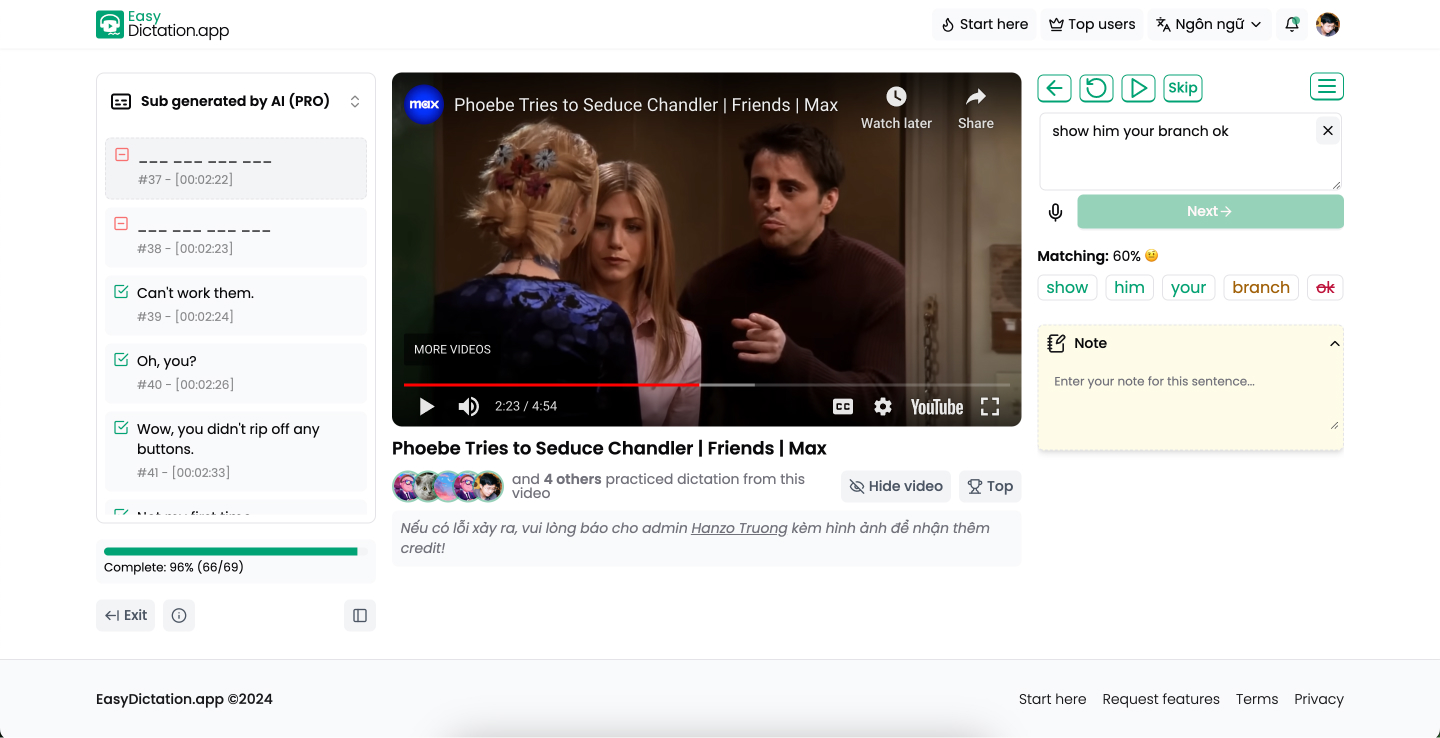
Manual English Dictation Wastes 80% of Your Practice Time
When you practice dictation by hand, most of your 15 minutes goes to scrubbing, pausing and looking things up — only about 20% is real learning. Here's the data, the three levels of listening practice, and how to win back the other 80%.
More articles
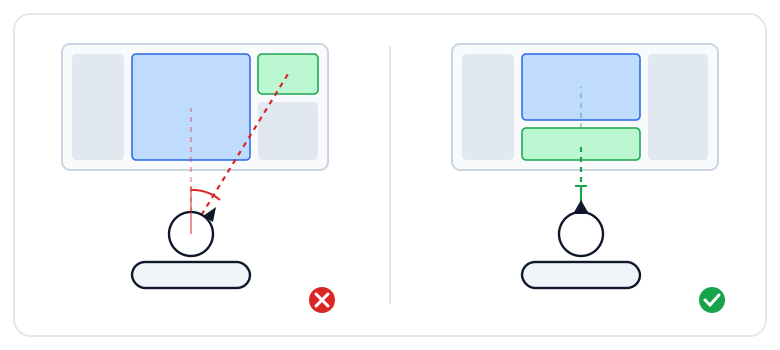
An hour of dictation practice, and your neck is turned to one side the whole time
The practice page just changed: the typing box moved from the right column to directly under the video. Not for looks, but for the eyes and neck of anyone who does thirty minutes of dictation a day.
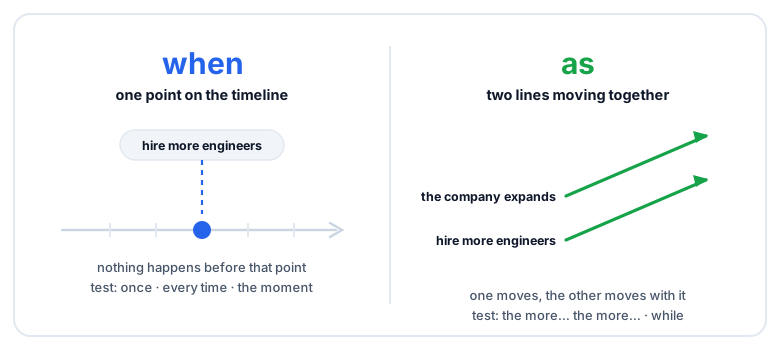
As or when? Swap one word and the whole sentence changes meaning
A dictionary gives you the same gloss for as and when, so the choice at the join between two clauses feels like a coin flip. It isn't. The two words describe two different shapes of time, and a couple of substitution tests settle it in seconds.
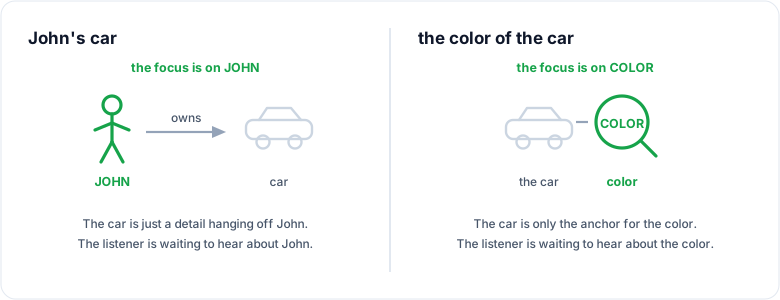
When to use 's and when to use of, settled by one question
John's car sounds completely natural. The car of John does not, even though both are grammatical. You do not need a table of possessive rules. You need to know where the focus of the phrase is sitting.
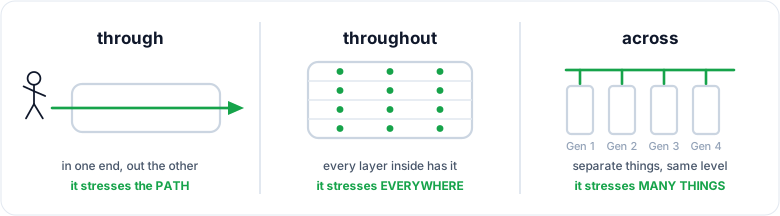
Across, throughout or through? Draw it and the choice makes itself
You are mid-sentence, you reach the preposition, and you stall. Through, throughout or across? A dictionary will not help, because all three come back with nearly the same gloss. But they are three different shapes, and once you sketch them the choice is obvious.
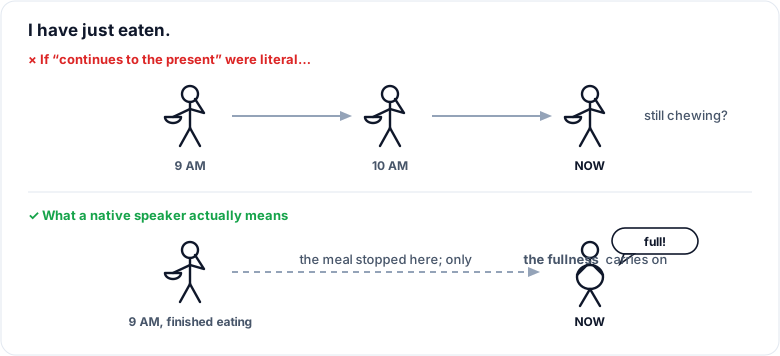
The present perfect definition you were taught is missing one word
Every Vietnamese grammar book defines it the same way: an action that happened in the past and continues to the present. So does “I have just eaten” mean you have been chewing since 9 AM? That definition is missing exactly one word, and that gap is why learners misuse the tense for years.
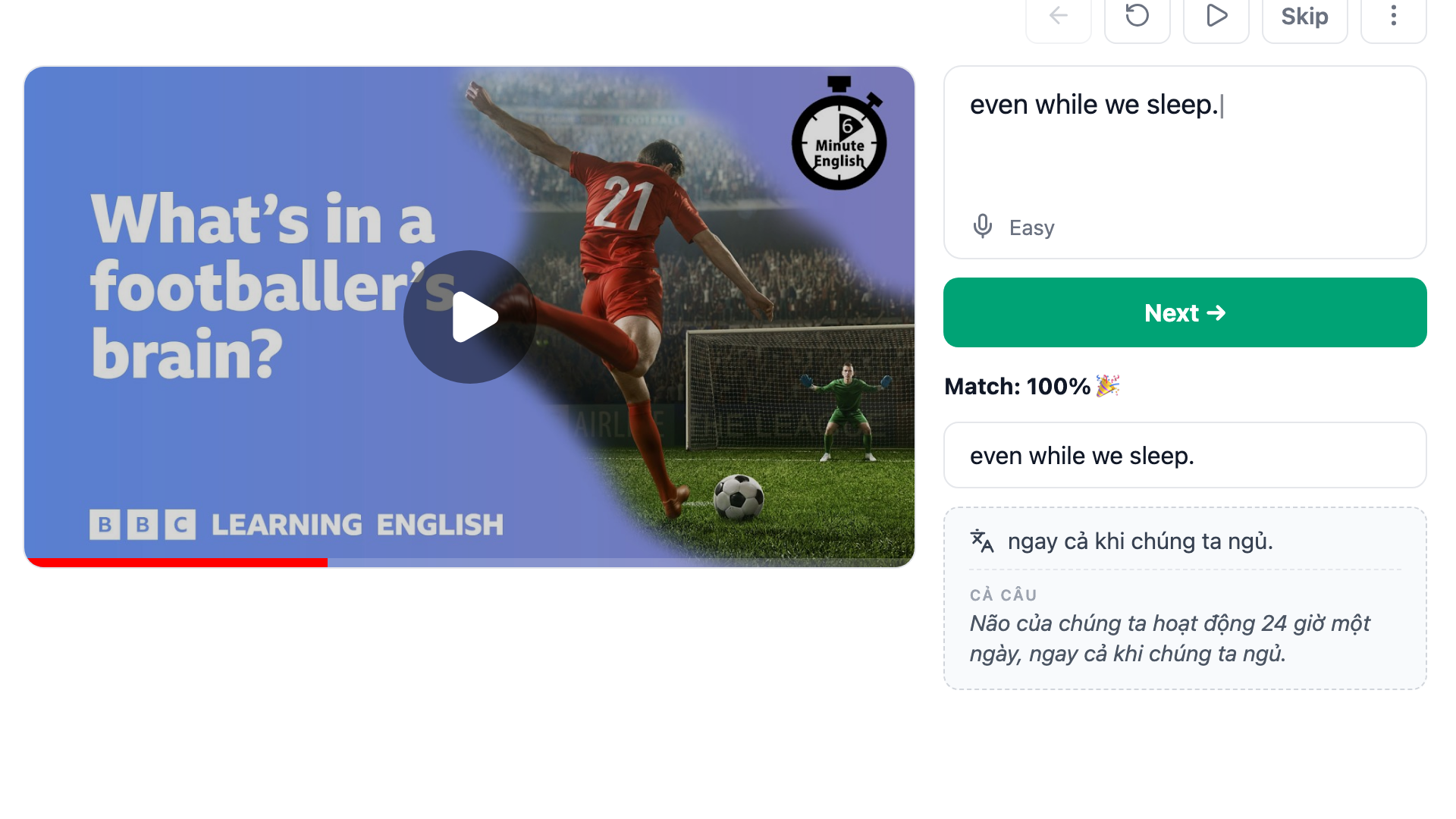
Splitting Sentences by Thought Group — and 2 Wrong Turns
One feedback note — "sentences too long" — led us to split English sentences into thought groups and translate phrase by phrase. Two wrong turns included.